Imperial War Museum
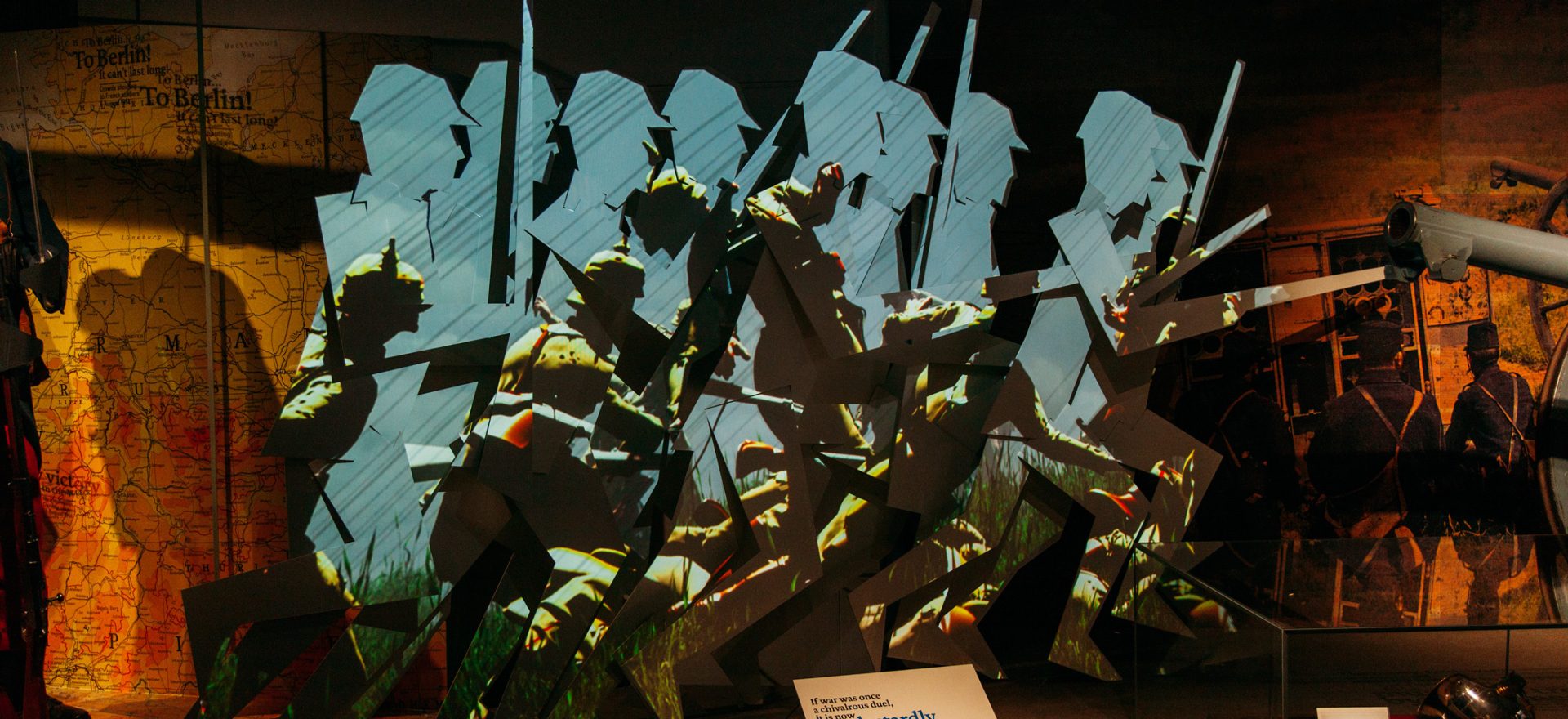
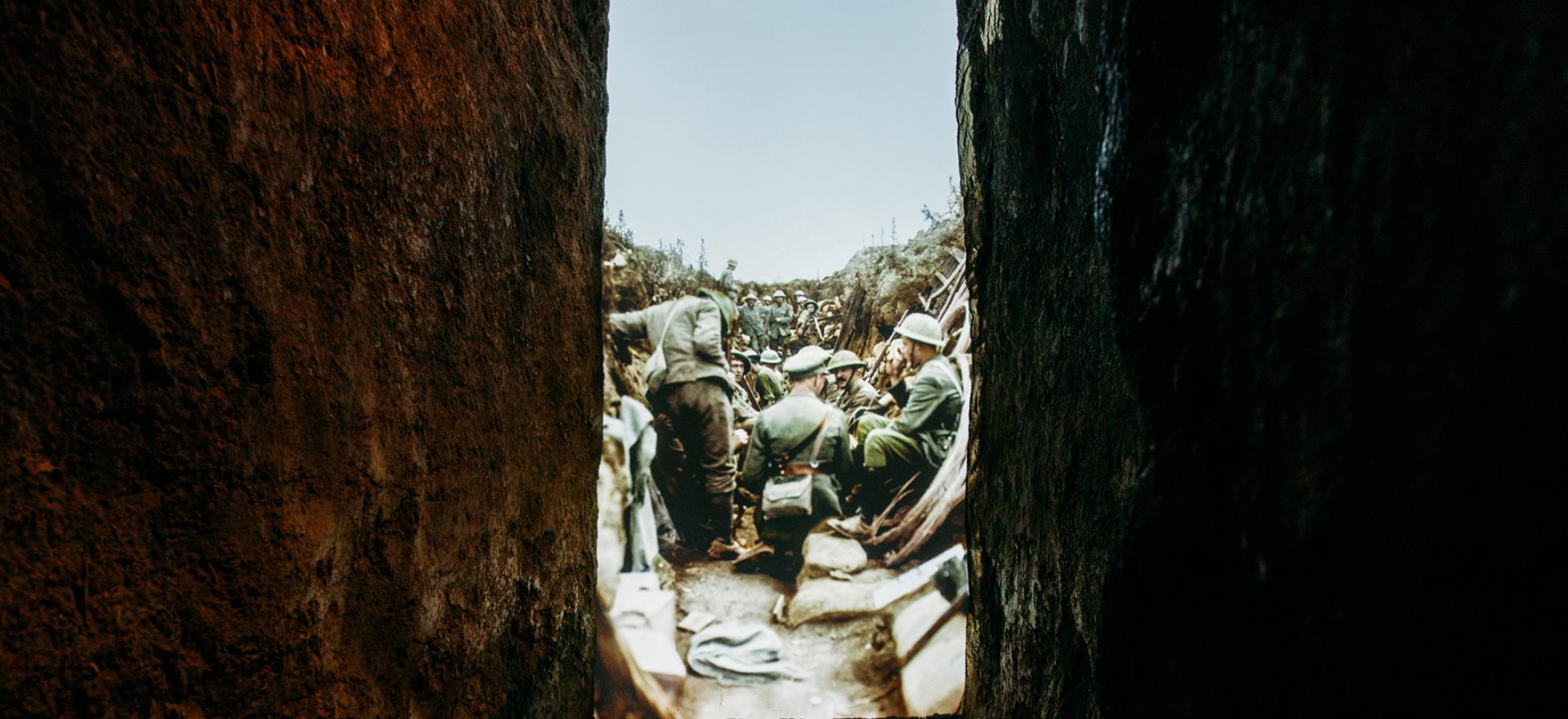
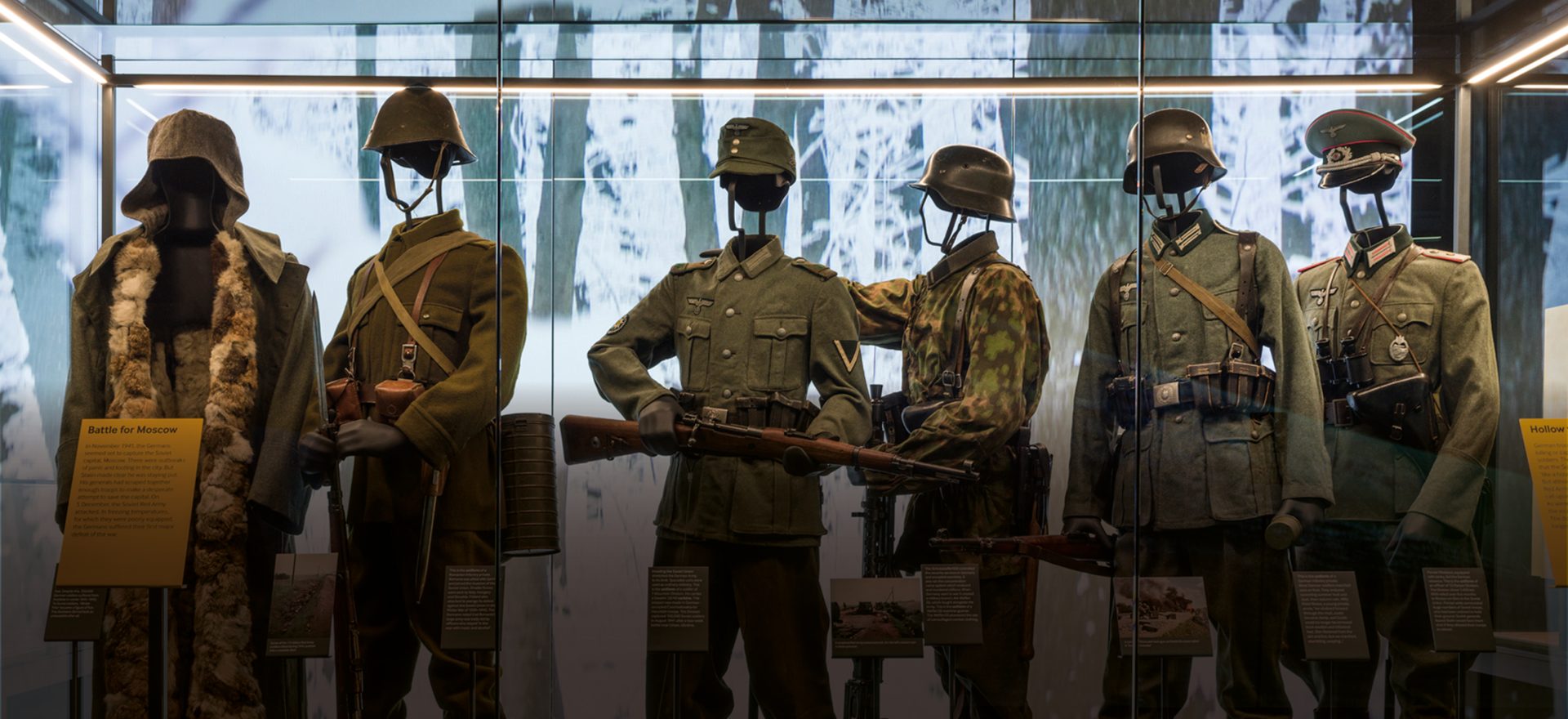
The Imperial War Museum required a technology partner capable of transforming thousands of historical artefacts into a profound, sensory journey across its permanent First and Second World War Galleries. Over a decade of continuous collaboration, The Story Engineers delivered a series of complex media spaces, from a highly acoustic, 52 foot trench recreation to overhead LED fighter plane soundscapes. By integrating discrete hardware networks alongside raw, historic infrastructure, we helped the museum move beyond traditional glass case displays, giving an enduring voice to overlooked human perspectives.
The Imperial War Museum required a technology partner capable of transforming thousands of historical artefacts into a profound, sensory journey across its permanent First and Second World War Galleries. Over a decade of continuous collaboration, The Story Engineers delivered a series of complex media spaces, from a highly acoustic, 52 foot trench recreation to overhead LED fighter plane soundscapes. By integrating discrete hardware networks alongside raw, historic infrastructure, we helped the museum move beyond traditional glass case displays, giving an enduring voice to overlooked human perspectives.
Shifting From Glass Cases To Radical Openness
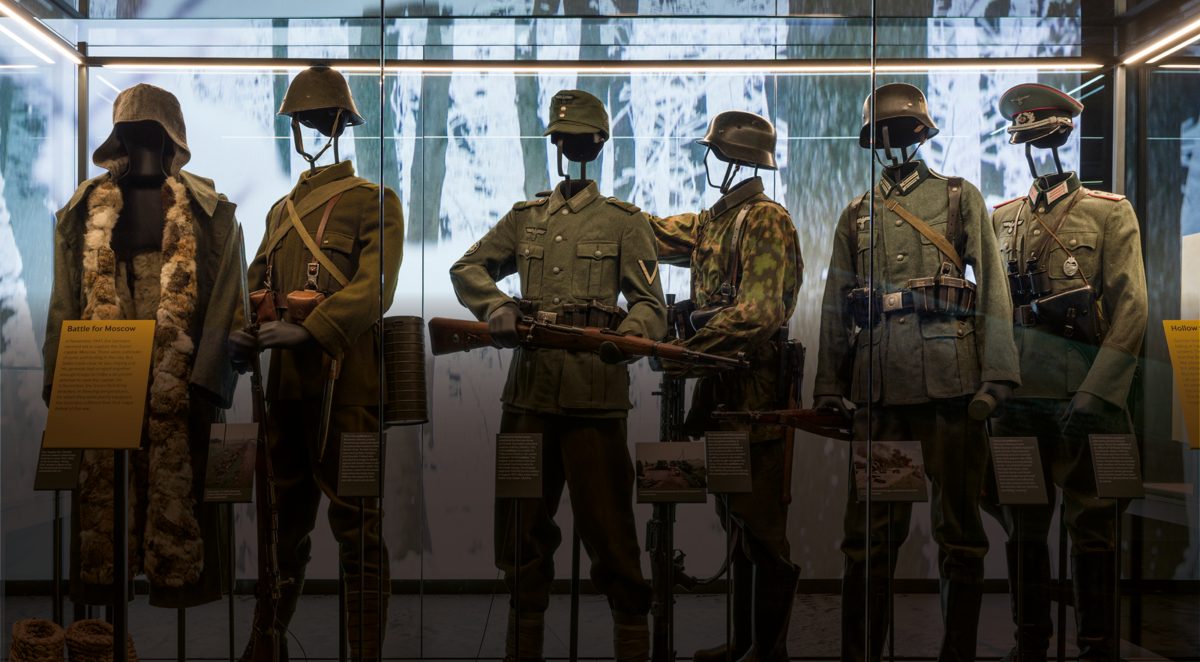
Museums face a permanent structural tension: how to display thousands of fragile historical objects while forging an intimate emotional connection with a modern audience. When the Imperial War Museum undertook its historic redevelopment, the ambition extended far beyond updating its aesthetic. The curatorial team required a system that could weave text, physical artefacts, and media into a single, global narrative. The technology could not feel like a modern addition; it had to act as a clear window into the human experience of twentieth century conflict. The challenge was to deliver total sensory immersion without letting the hardware compromise the historical integrity of the collection.
Integrating Adaptable Media Networks Within Raw Infrastructure
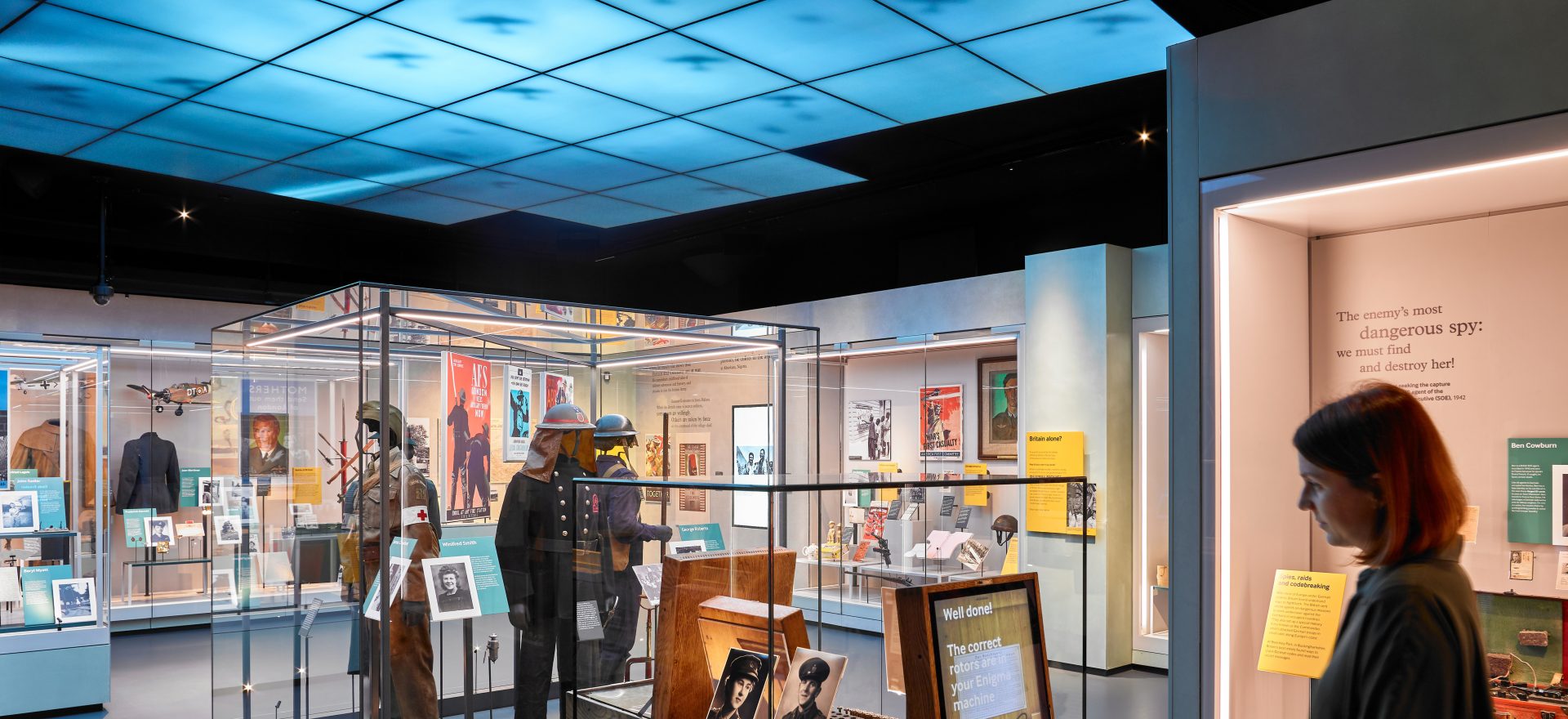
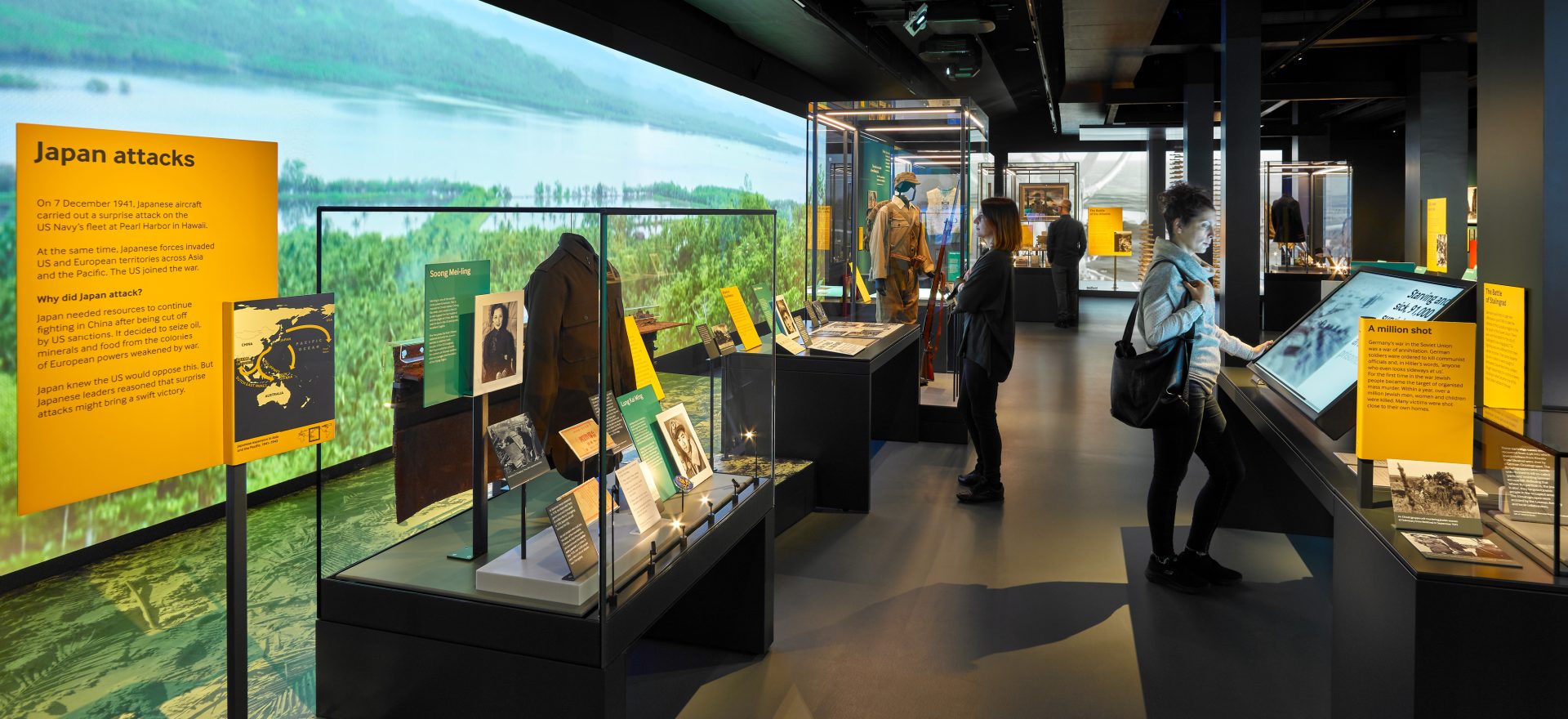
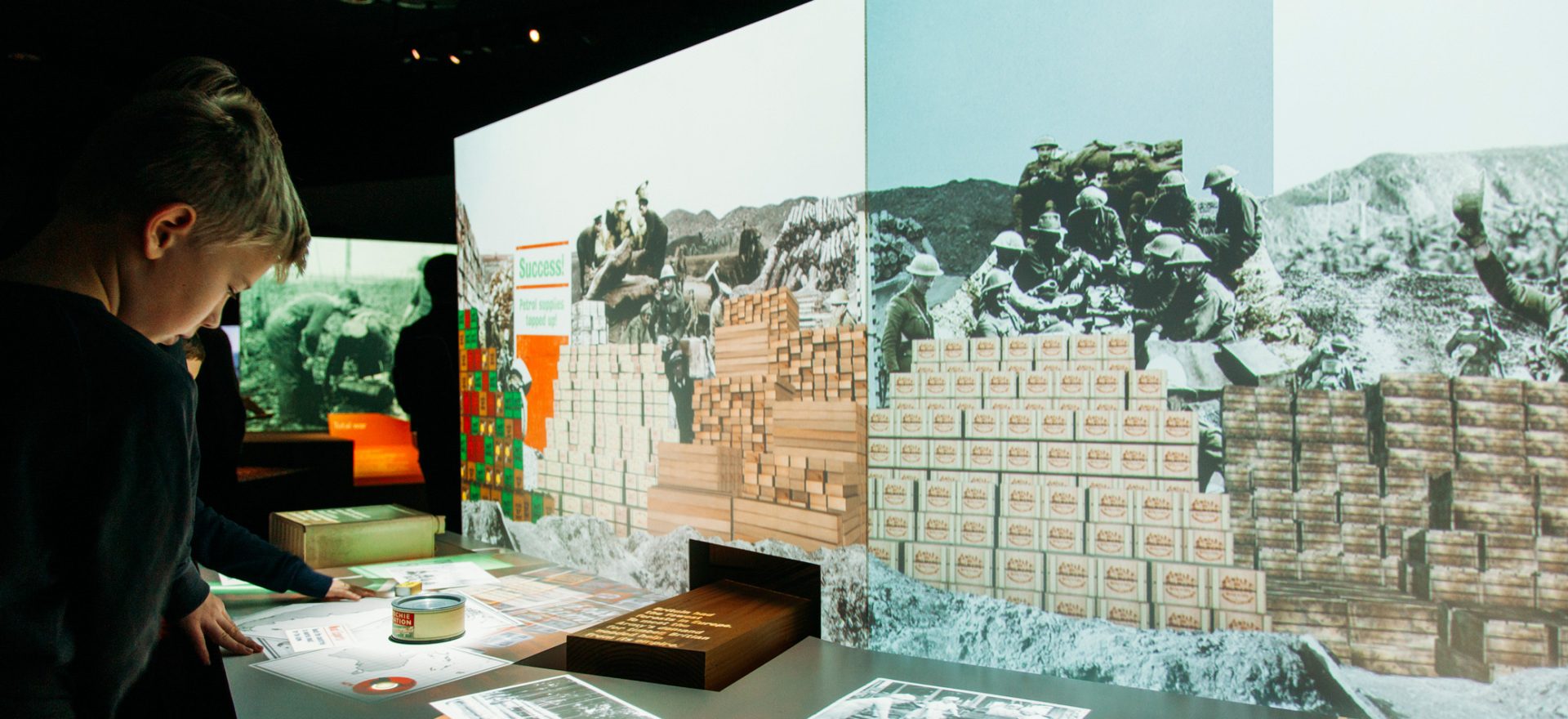
Bringing this scale of creative ambition to life meant abandoning standard technology integration methods. Across both gallery installations, we built the media architecture around the specific historical narrative rather than a rigid hardware specification. For the First World War centenary, we engineered a 52 foot long, 8 foot high walk through trench, using synchronized projection silhouettes and a raw acoustic soundscape to replicate the claustrophobic drudgery of the front line. In the companion Second World War galleries, we suspended an overhead LED display system spanning the entire ceiling, linking it to a 360 degree directional audio array that drives the sound of Spitfires directly through the room. Every single main narrative display was mapped to dedicated induction loops, ensuring complete sensory accessibility throughout the physical space.
Absolute System Reliability Under Heavy Visitor Footfall
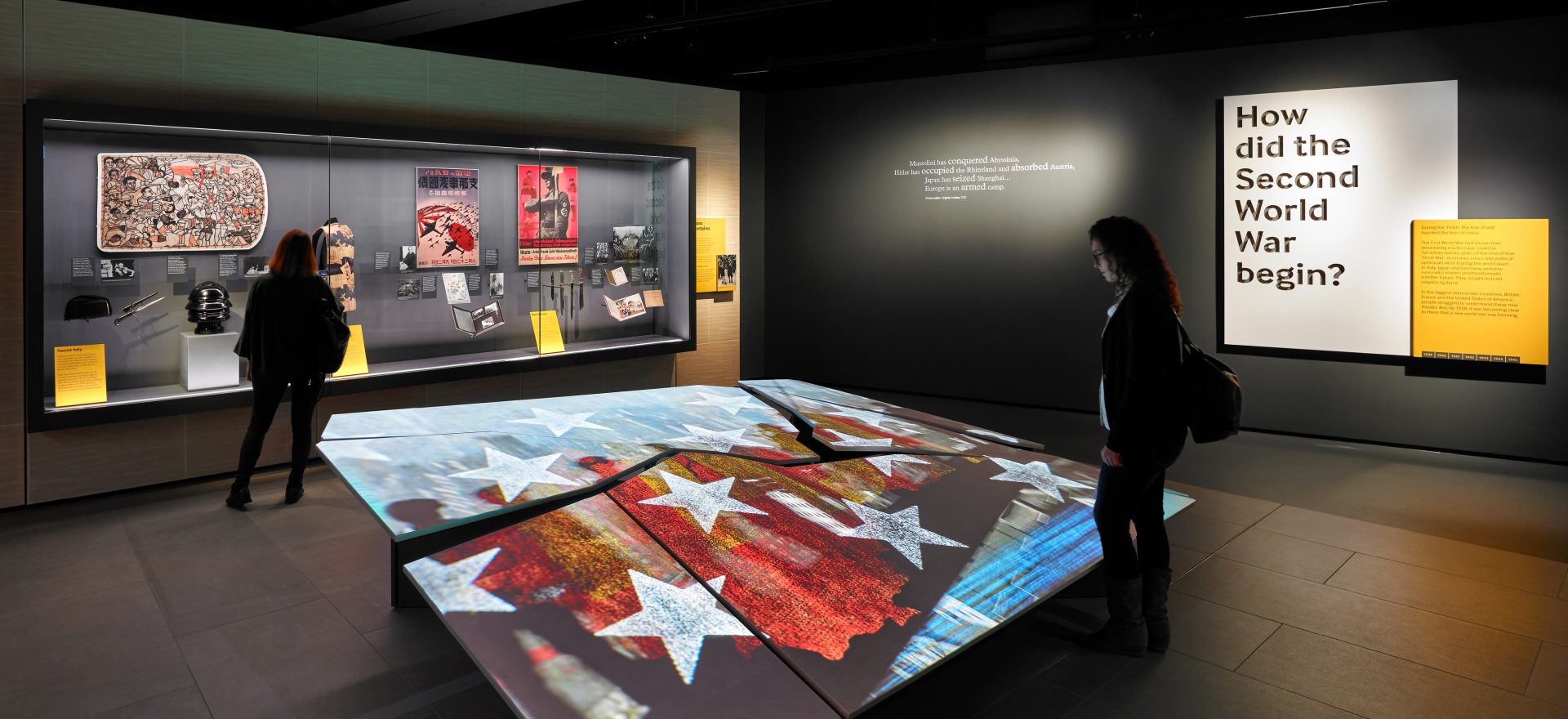
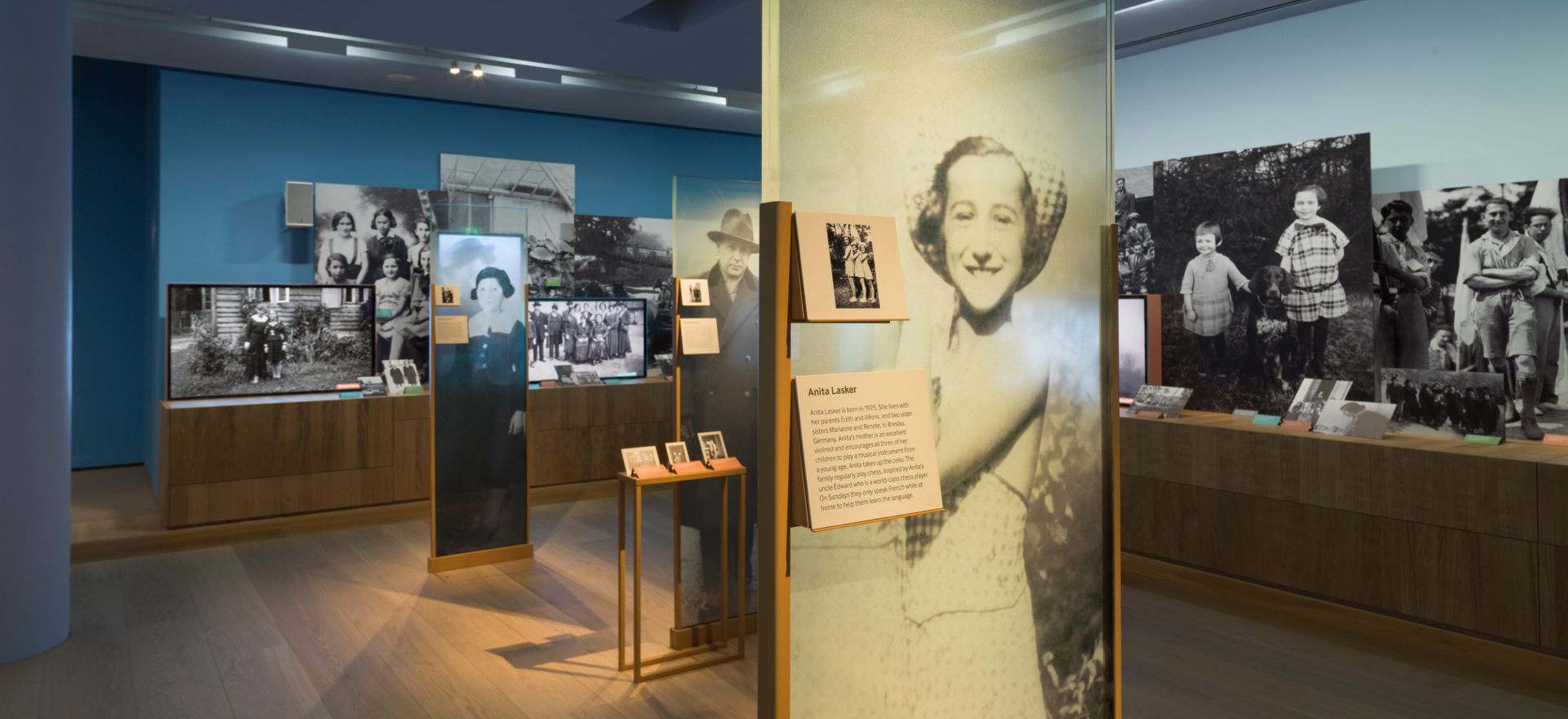
The true test of story engineering is whether the technical execution preserves the emotional arc over a decade of continuous operation. Across the combined galleries, the technical infrastructure supports over 4,800 exhibits and 110 discrete media systems, running flawlessly under intense public footfall. The project earned immediate industry validation, winning the AV Awards Entertainment Project of the Year. More importantly, the systems have successfully sustained the museum’s core objective, allowing hundreds of thousands of visitors to engage directly with the personal letters, paperwork, and lived testimonies of those who survived.