British Museum: Roman & Assyrian Galleries
The British Museum partnered with The Story Engineers to test how digital technology can deepen visitor engagement in permanent galleries. Focusing on the Roman Vindolanda Tablets and the Assyrian Lion Hunt Reliefs, we integrated discreet digital displays, multi-channel audio networks, and projection mapping into sensitive historic spaces. The resulting interventions transformed passive observation into active emotional engagement, proving that robust technical precision can bring ancient narratives to life while fully preserving gallery integrity.
The British Museum partnered with The Story Engineers to test how digital technology can deepen visitor engagement in permanent galleries. Focusing on the Roman Vindolanda Tablets and the Assyrian Lion Hunt Reliefs, we integrated discreet digital displays, multi-channel audio networks, and projection mapping into sensitive historic spaces. The resulting interventions transformed passive observation into active emotional engagement, proving that robust technical precision can bring ancient narratives to life while fully preserving gallery integrity.
Moving Beyond The Traditional Museum Glass Case
For over two centuries, the British Museum displayed its collections through a static pairing of physical objects and written text. However, as modern visitor expectations evolve, the institution needed to engage a new generation of museumgoers. Relying on passive observation was no longer enough to convey the epic sweep and human realities of frontline life in ancient empires. The museum required an experimental pilot focused on two distinct artifact series: the wooden Vindolanda Tablets in the Roman Britain Galleries, and the stone Lion Hunt Reliefs in the Assyrian Galleries. The brief demanded an advanced technical infrastructure capable of supporting contemporary, immersive storytelling without disrupting the sensitive architectural character of these historic spaces.
Exhibition walkthrough video. Video content by Journey. Courtesy of Ralph Appelbaum Associates and The British Museum.
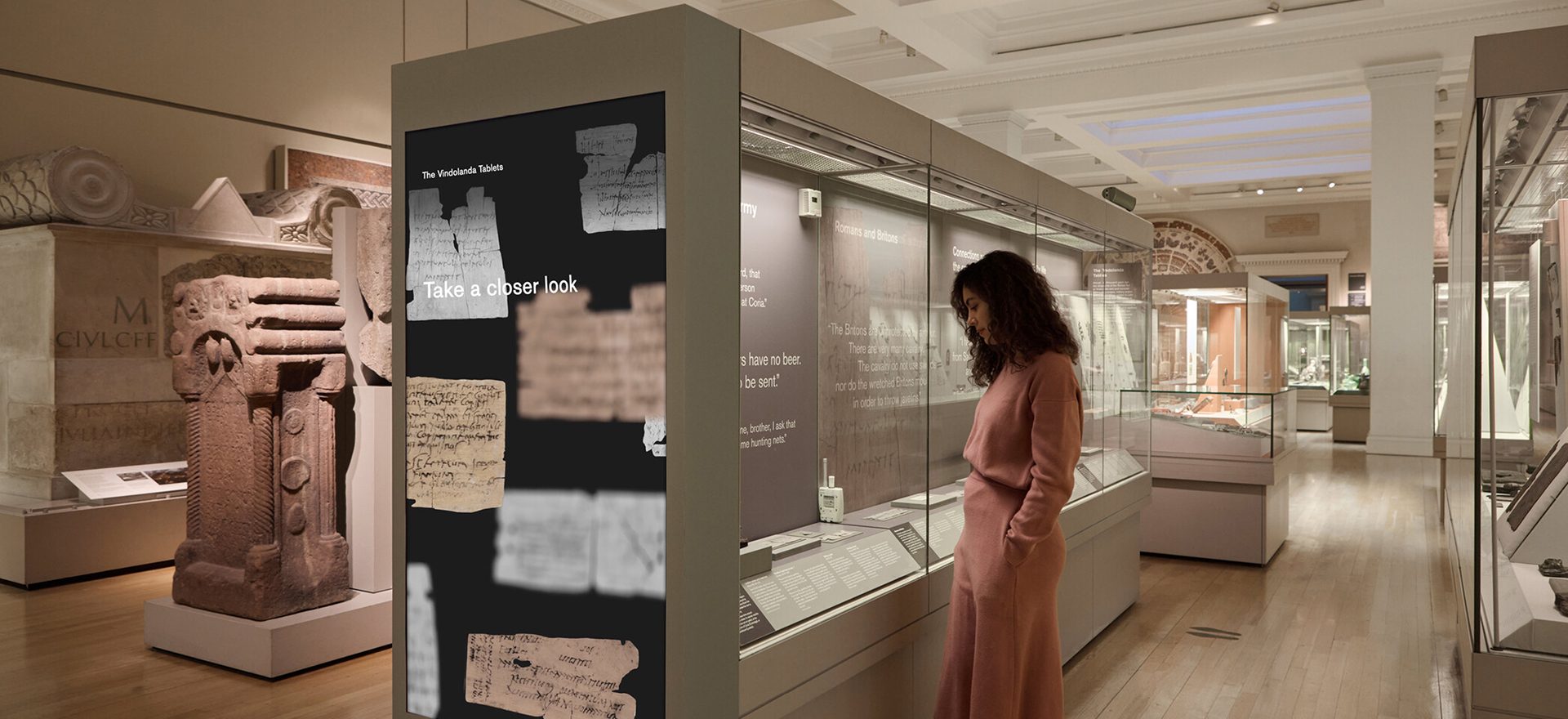
Vindolanda Tablets Exhibition in the Roman Britain Galleries. Image by Journey. Courtesy of Ralph Appelbaum Associates and The British Museum.
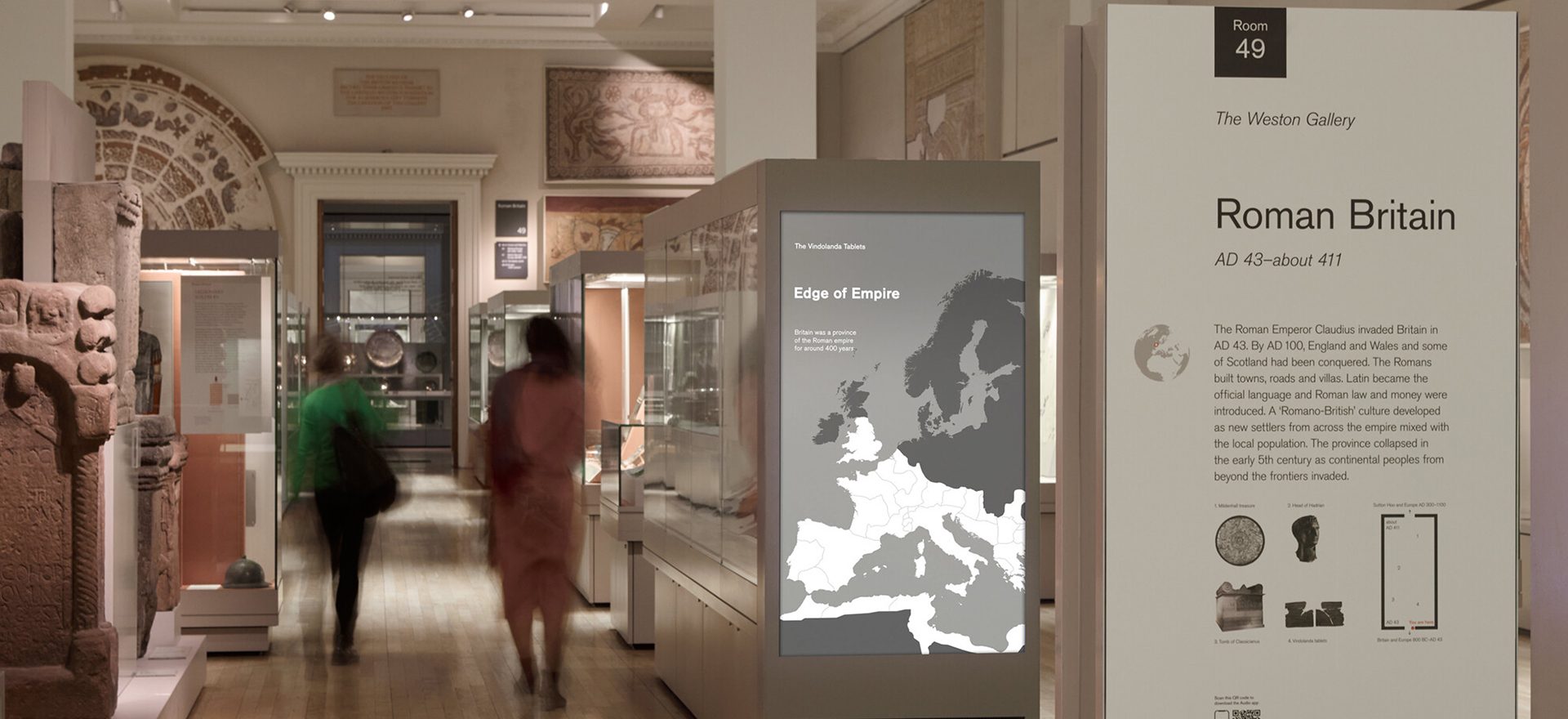
Vindolanda Tablets Exhibition in the Roman Britain Galleries. Image by Journey. Courtesy of Ralph Appelbaum Associates and The British Museum.
Engineering Invisible Technology Within Sensitive Historic Architecture
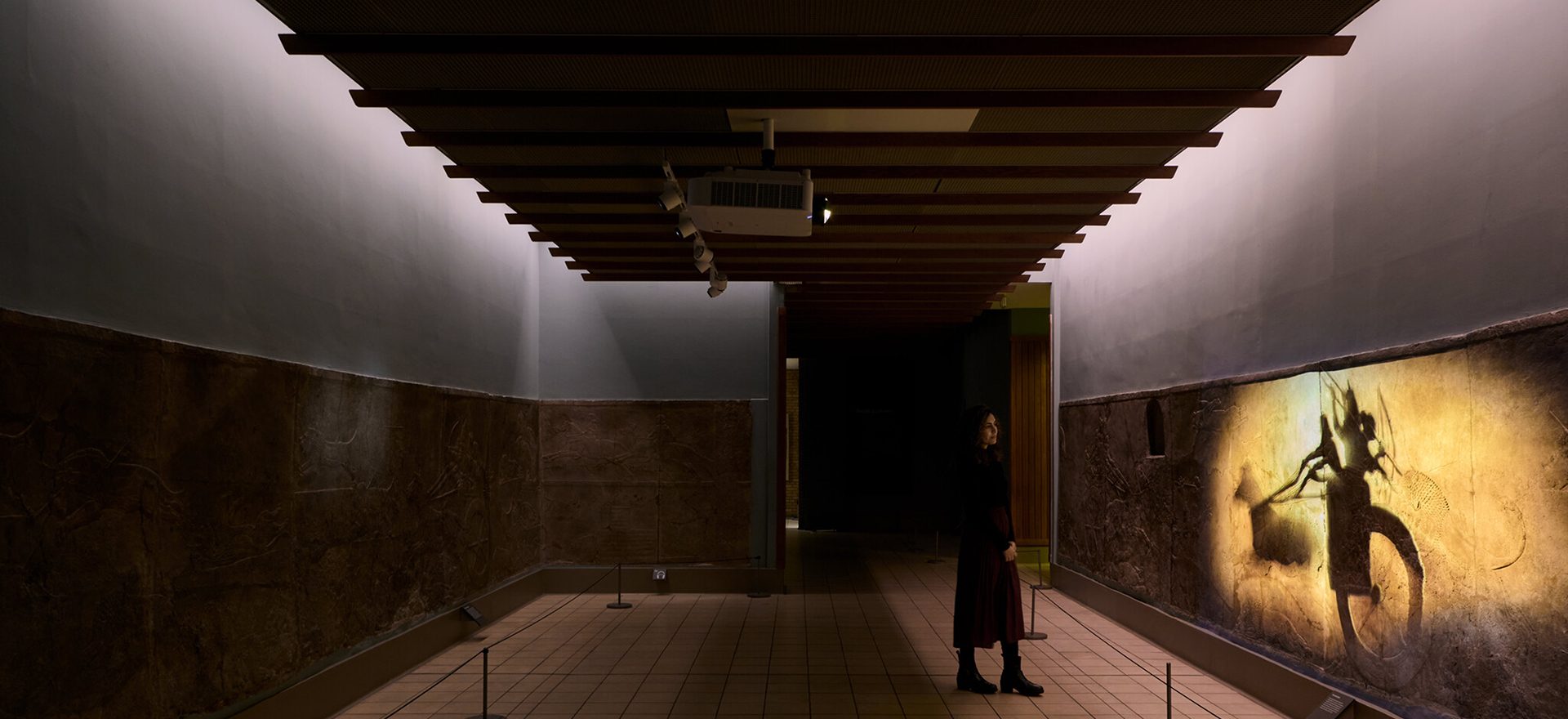
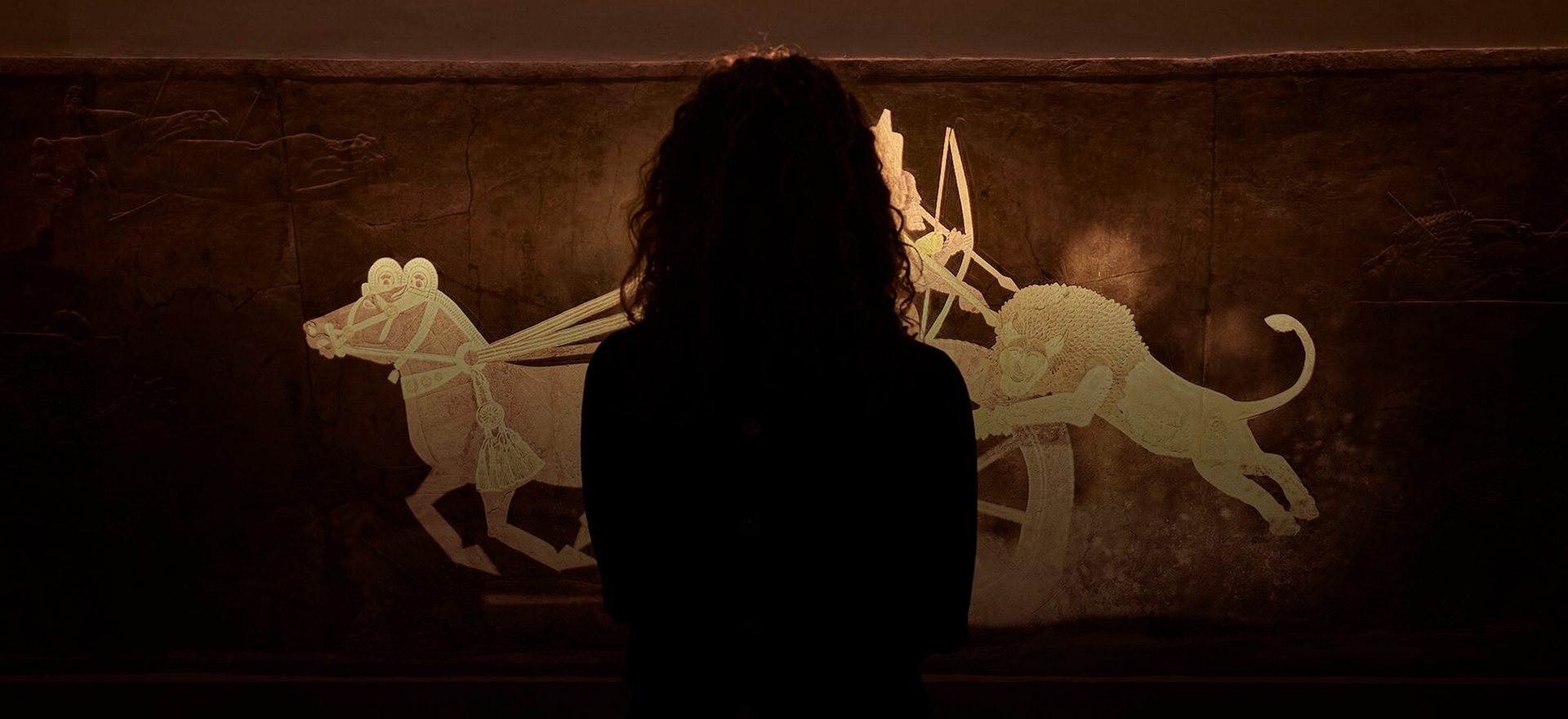
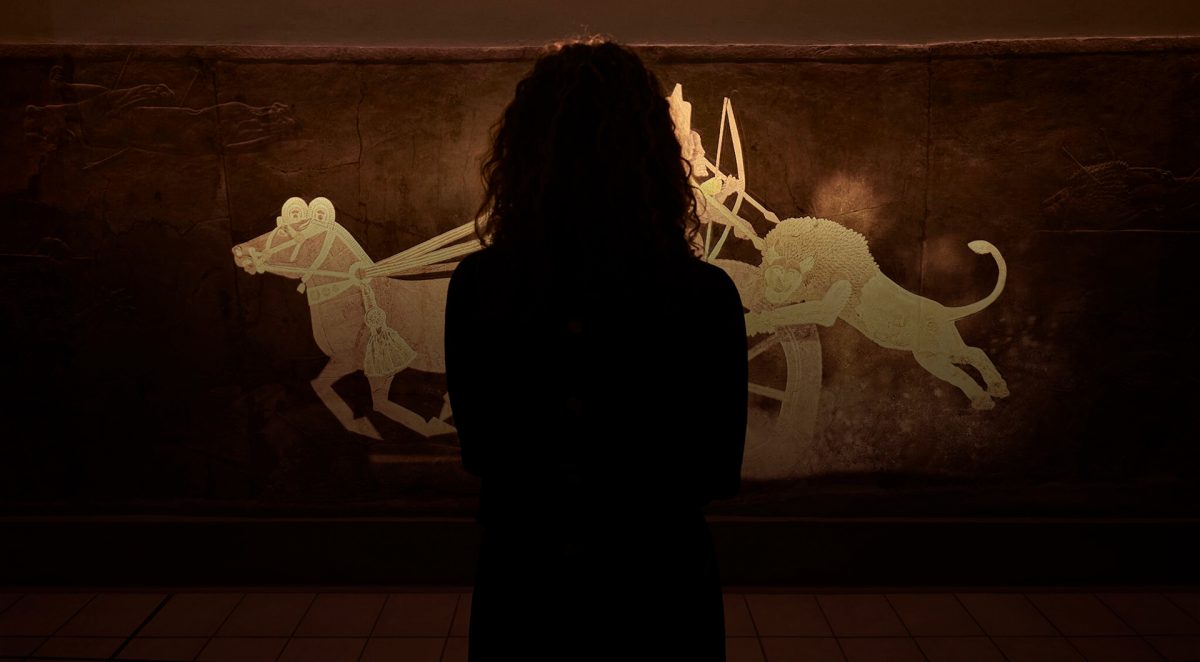
We acted as the hardware delivery partner, designing and integrating audiovisual infrastructure that serves the creative narrative while respecting the historic building. For the Vindolanda Tablets, we integrated high-resolution digital displays and a multi-channel audio network to deliver a layered, spatialised soundscape. Spoken words and detailed archaeological analysis are precisely blended to bring the voices of Roman Britain directly into the space. In the Assyrian Galleries, we deployed projection mapping, media servers, and a synchronised audio infrastructure for the Lion Hunt Reliefs. Spotlights progressively illuminate individual stone carvings as the booming sounds of chariot wheels and lion growls fill the room. The entire layout relies on absolute technical precision, ensuring light and sound cues synchronise perfectly so the technology remains entirely discreet.
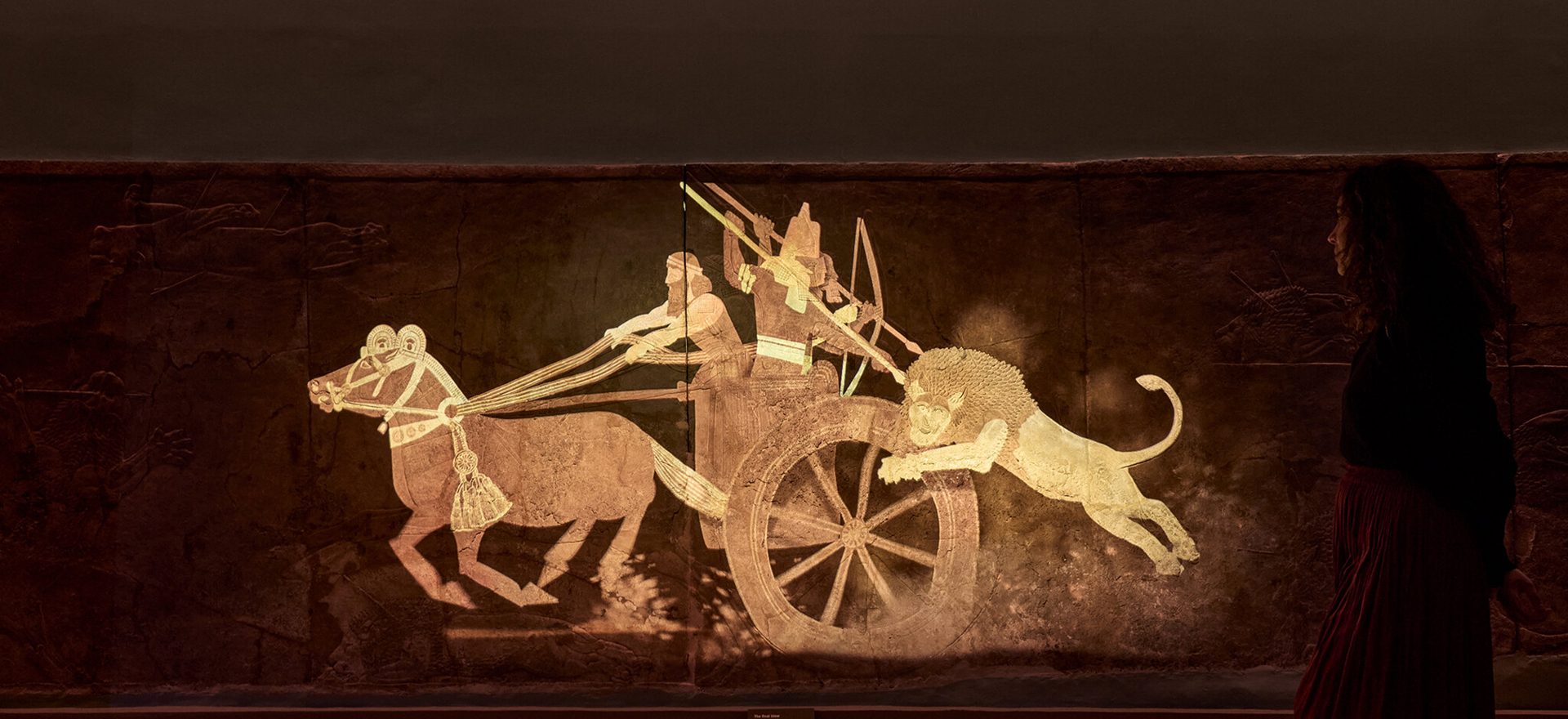
Projection mapping on the Lion Hunt Reliefs in the Assyrian Galleries. Image by Journey. Courtesy of Ralph Appelbaum Associates and The British Museum.
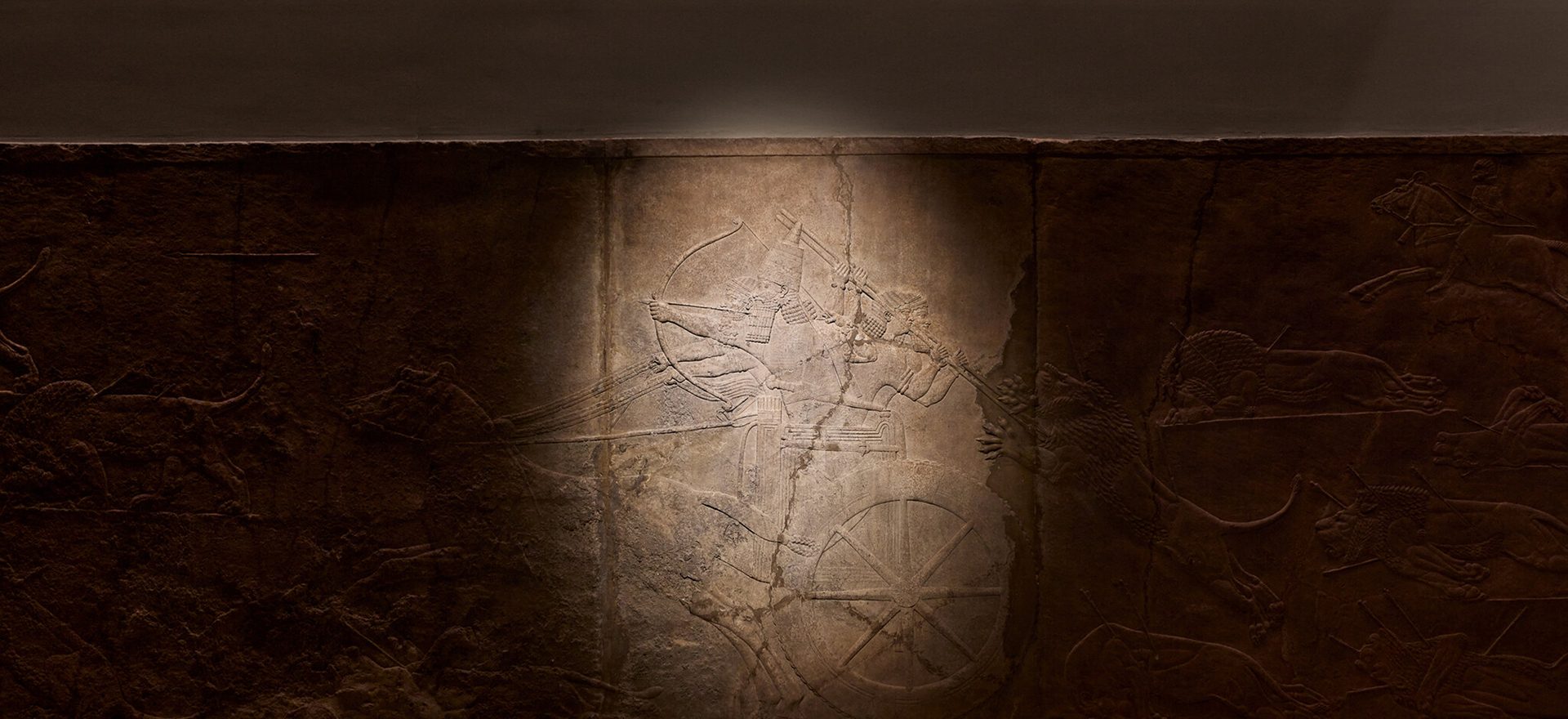
Projection mapping on the Lion Hunt Reliefs in the Assyrian Galleries. Image by Journey. Courtesy of Ralph Appelbaum Associates and The British Museum.
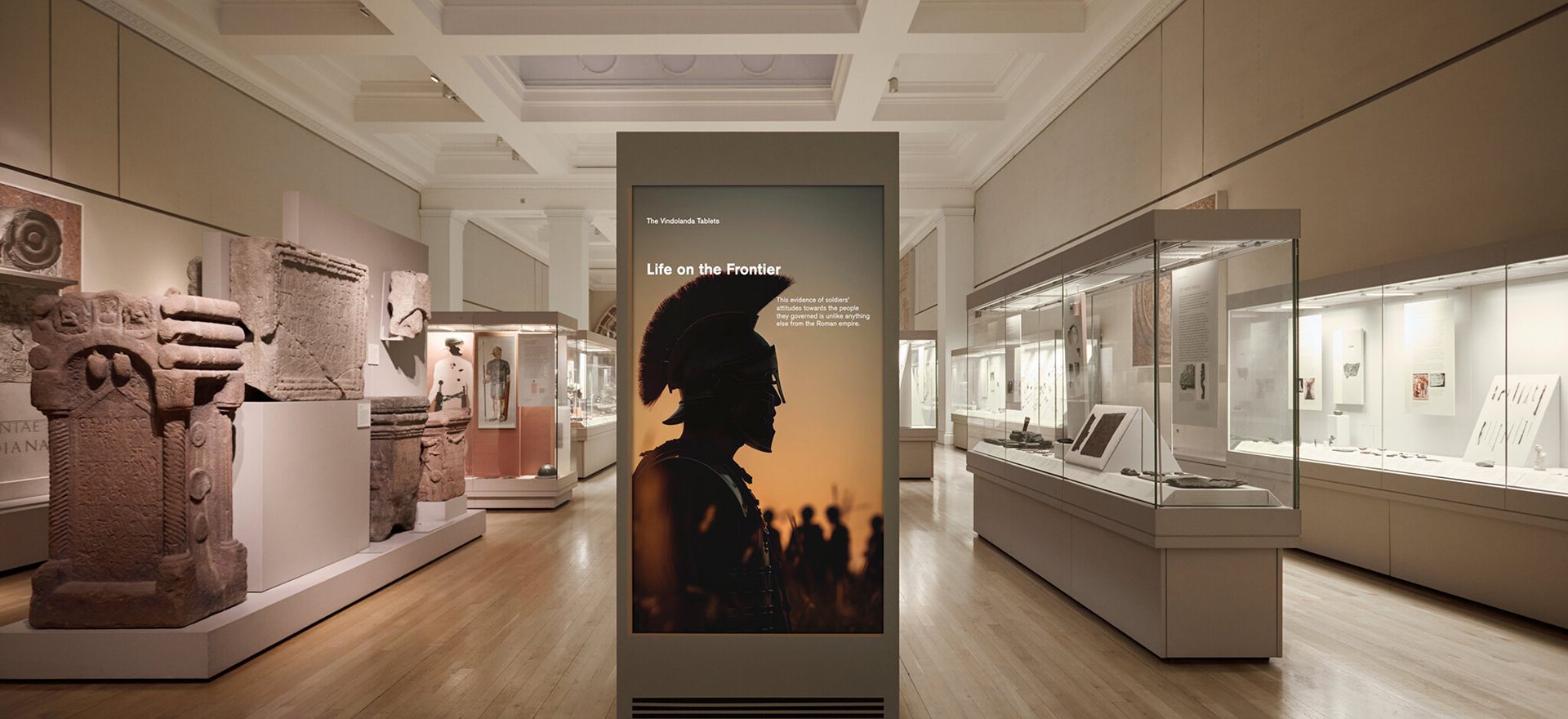
Vindolanda Tablets Exhibition in the Roman Britain Galleries. Image by Journey. Courtesy of Ralph Appelbaum Associates and The British Museum.
Changing Audience Perceptions Through Immersive Narrative Sequences
Observational studies and visitor tracking proved that the animated sequences successfully prompted crowds to stop, watch, and film assets they previously overlooked. This projection infrastructure significantly boosted the attracting and holding power of the displays, resulting in much longer dwell times. The modern multimedia elements were highly rated in visitor satisfaction surveys, establishing the galleries as must-see spots. The audience response was immediate and profound; visitors frequently gathered to watch the technical sequences together, with crowds regularly breaking into spontaneous applause as the dust and light effects reached their final climax.