The Formula 1 Exhibition
The Formula 1 Exhibition required a global touring infrastructure capable of translating elite motorsport narrative into a highly stable visitor experience. The Story Engineers designed and integrated scalable show technology systems, engineering bespoke simulator architectures that supported reliable real-time tracking alongside direct venue commercial growth. Across multiple continents, this deployment maintains absolute operational consistency under heavy footfall.
The Formula 1 Exhibition required a global touring infrastructure capable of translating elite motorsport narrative into a highly stable visitor experience. The Story Engineers designed and integrated scalable show technology systems, engineering bespoke simulator architectures that supported reliable real-time tracking alongside direct venue commercial growth. Across multiple continents, this deployment maintains absolute operational consistency under heavy footfall.
Translating High Speed Creative Ambition Into Global Touring Infrastructure
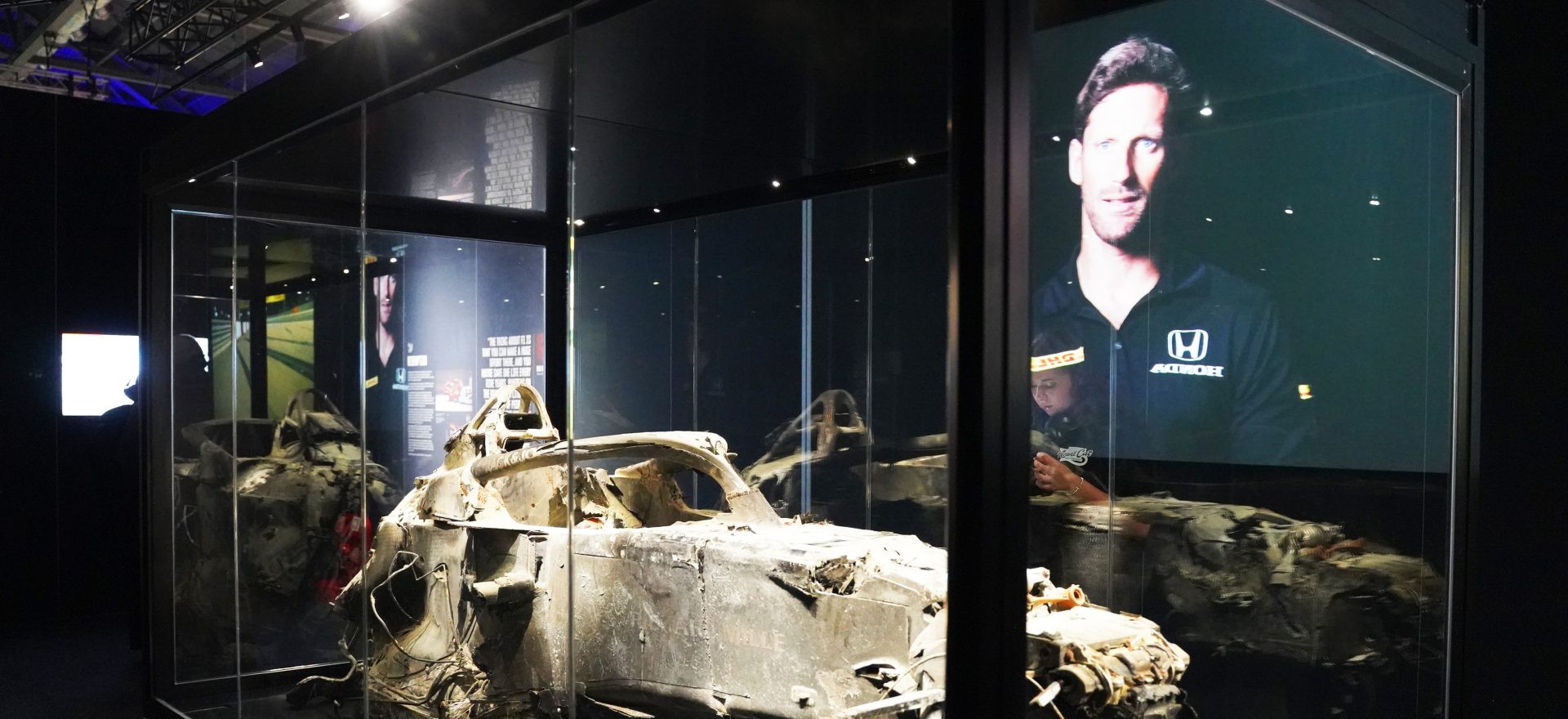
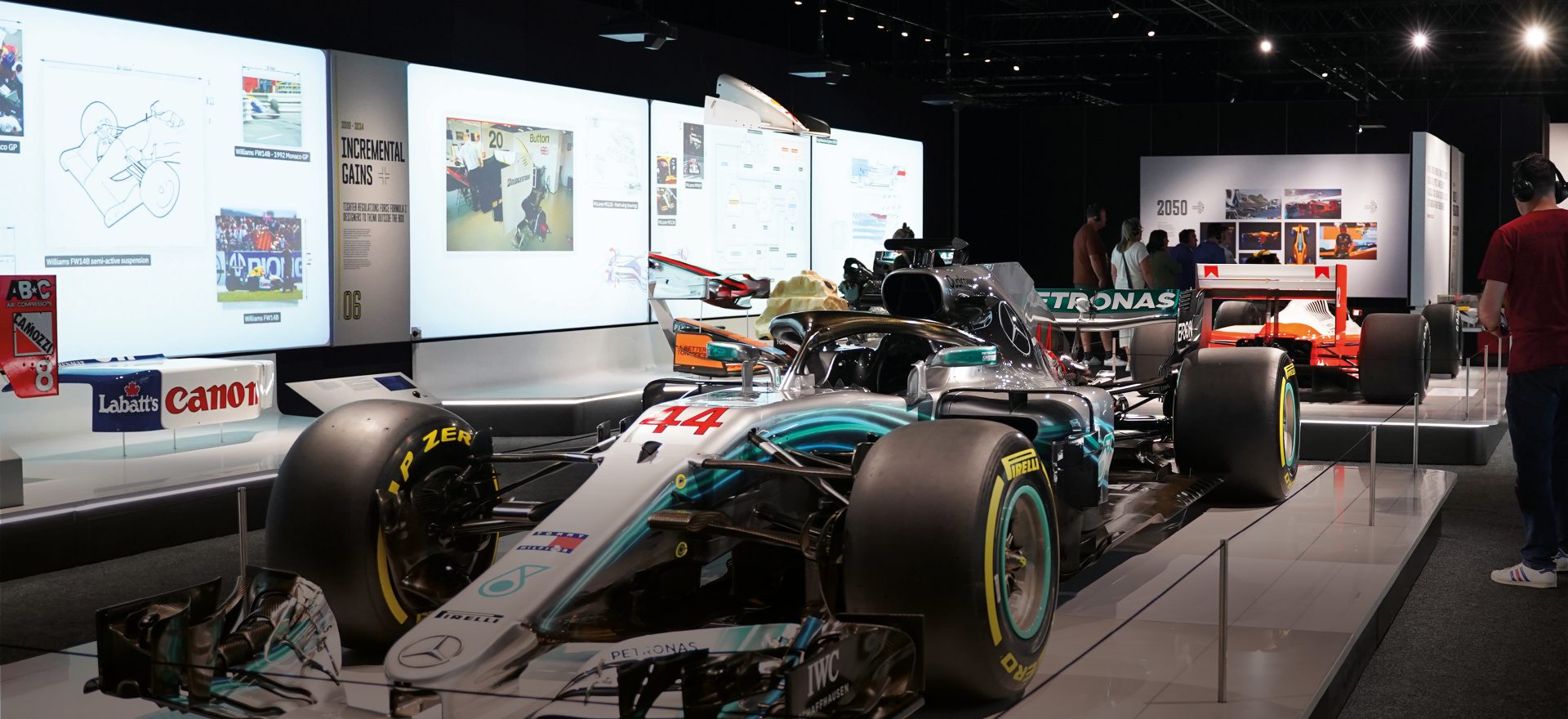
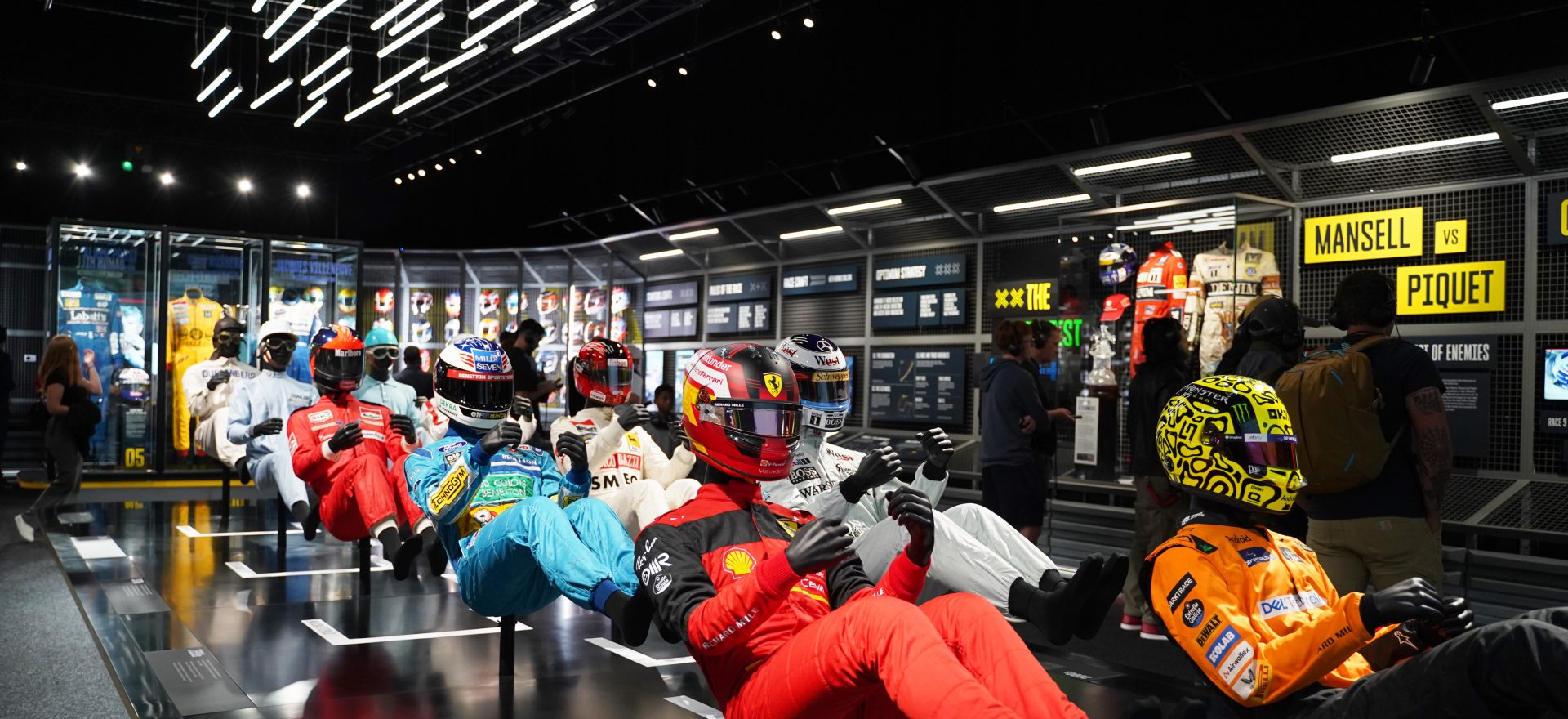
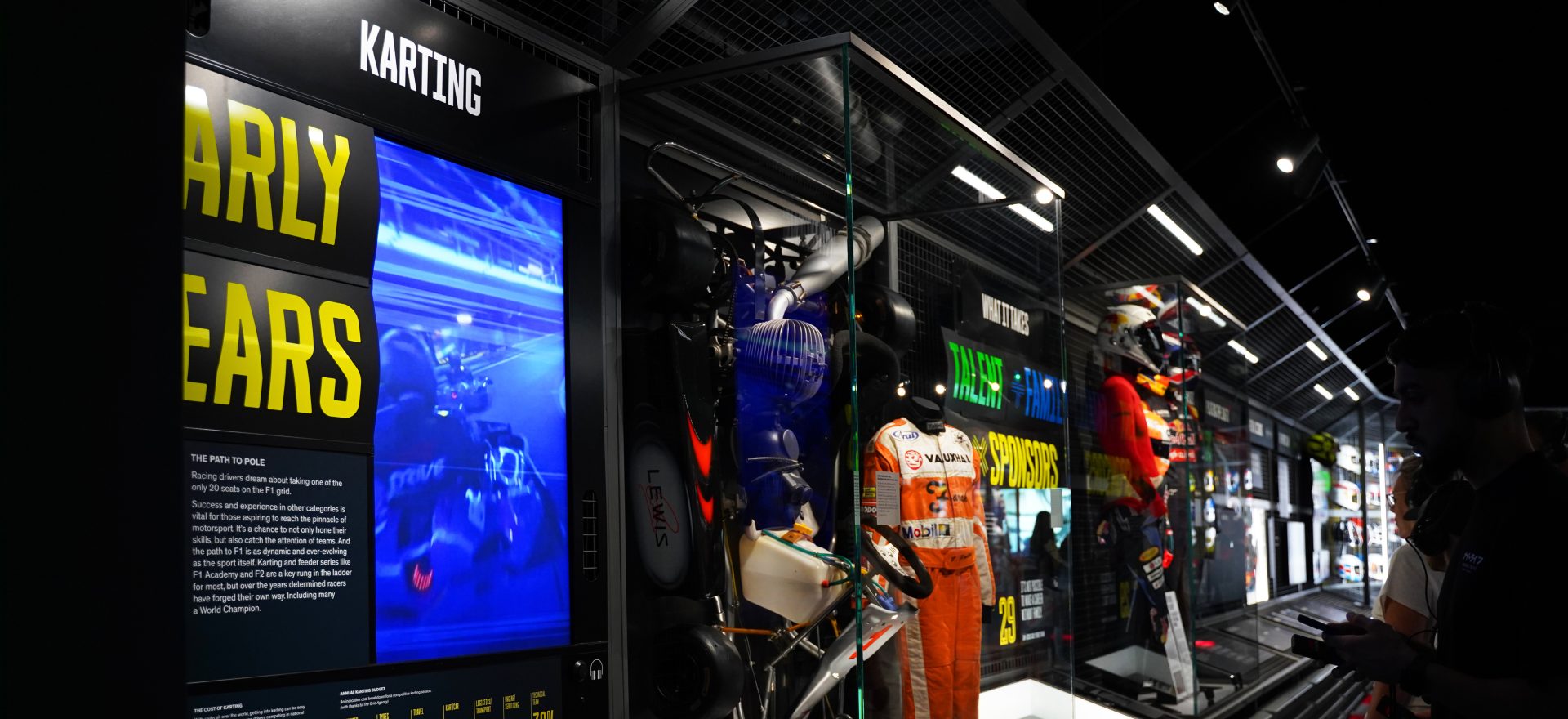
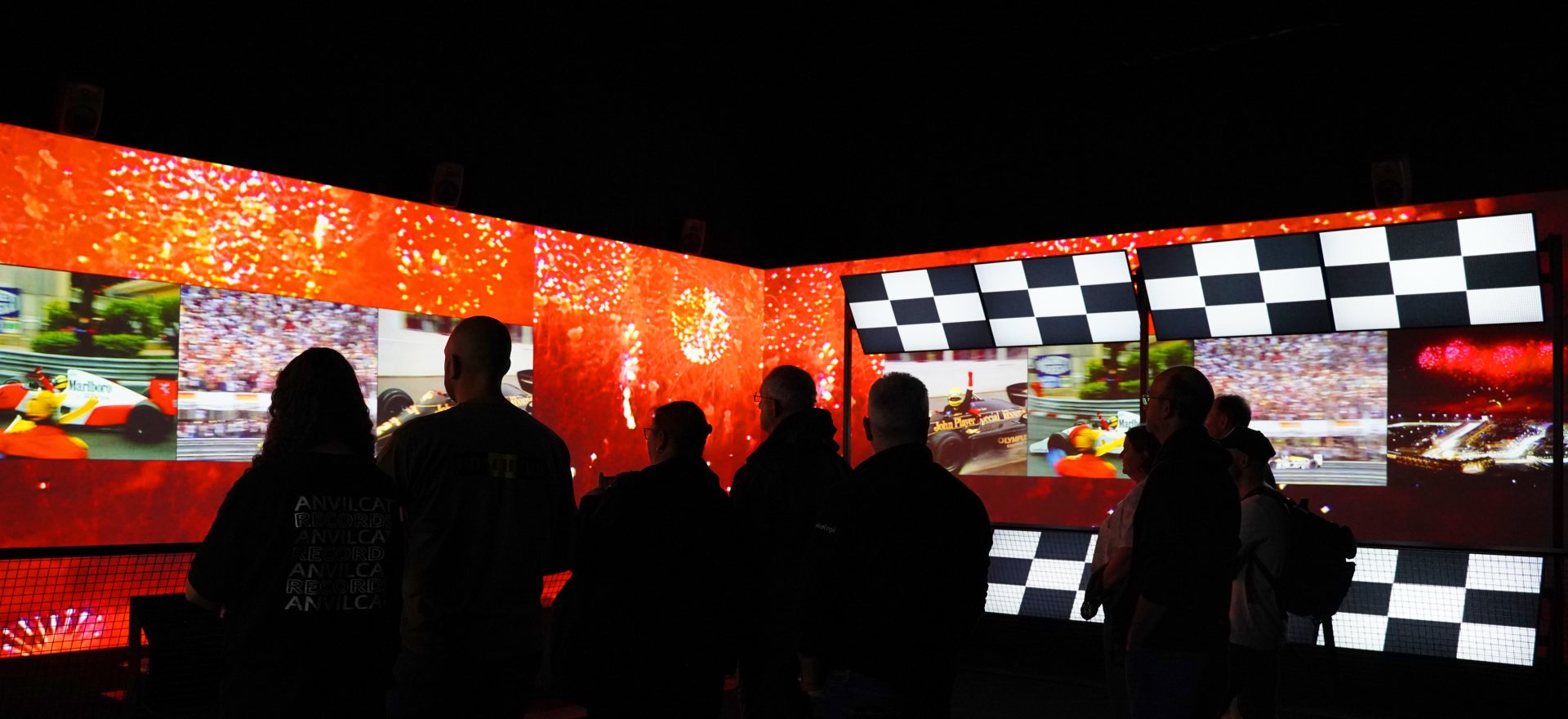
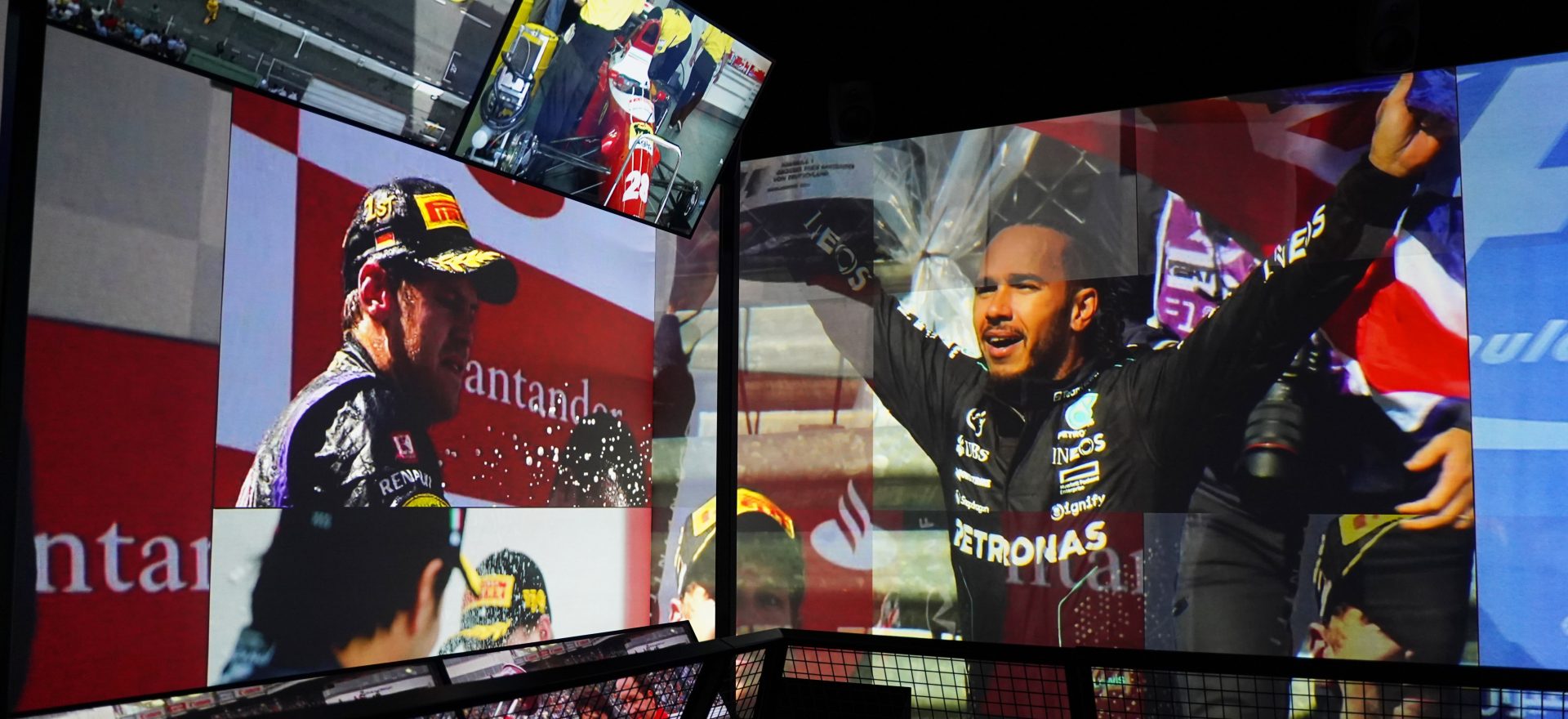
The Formula 1 Exhibition presented a massive show technology hurdle, establishing a dense, highly responsive visitor environment across six distinct zones that could deploy repeatedly across international tour stops without hardware degradation. The experience demanded complete technical stability across the physical spaces, presenting the history and mechanics of the sport, and culminating in the high-intensity cinematic environment of The Pit Wall and interactive racing arrays. For operators, the primary constraint was global viability. The entire system had to protect the creative narrative while being modular and structurally efficient enough to de-rig, transport, and reassemble across fluctuating international footprints. Furthermore, the network required the built-in ability to deploy local content updates, such as a London spotlight on the British Grand Prix in partnership with the Silverstone Museum, without altering core system behaviour or disrupting the wider technical framework.
Supporting Master Show Infrastructure With Revenue Generating Simulation Networks
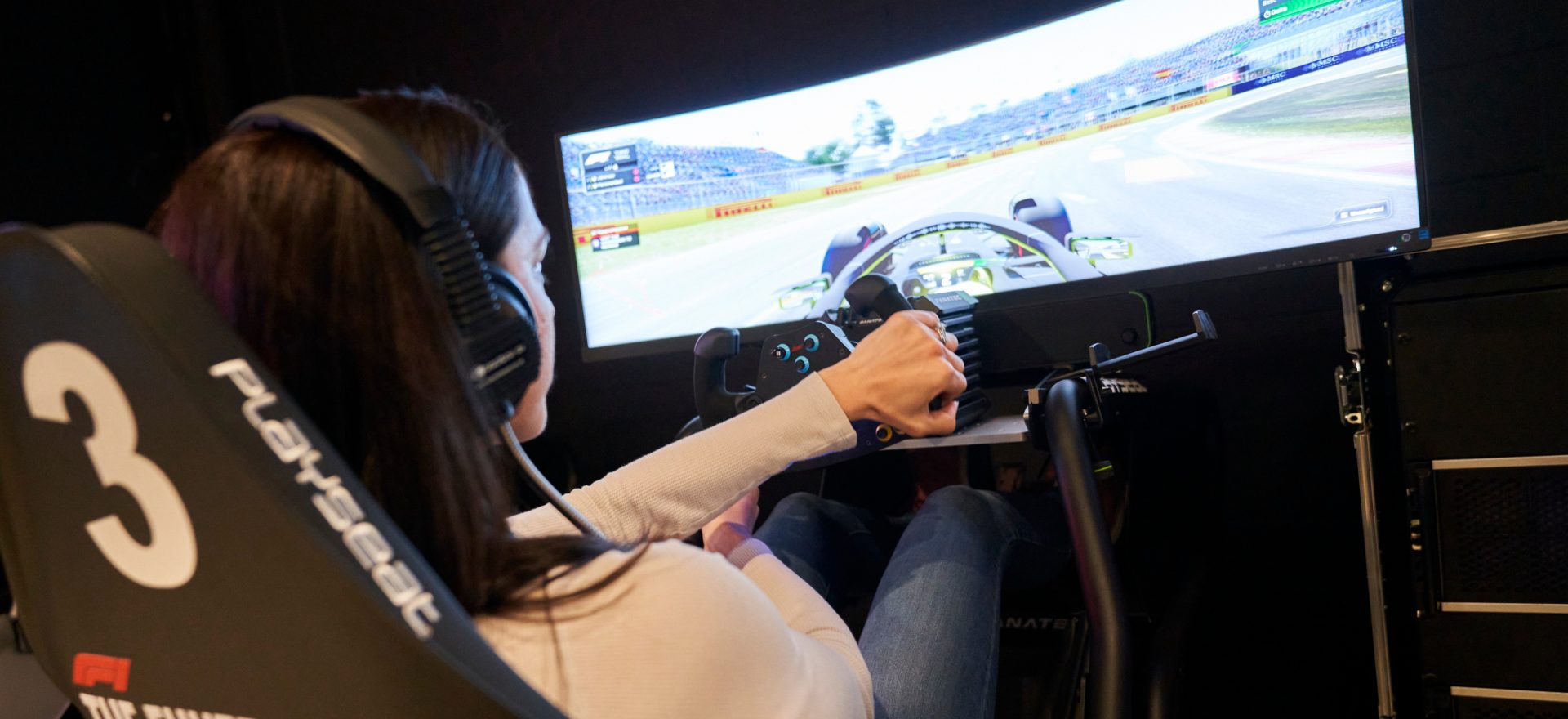
The Story Engineers solved this by delivering a scalable, software-driven show technology network engineered for repeat deployment. Rather than deploying rigid hardware configurations, our engineers utilised automated batch files to distribute complex application layers via a single command, keeping network telemetry light. Following critical acclaim across Europe, the production team decided to introduce a bespoke racing simulator zone as a high-value bonus feature for the Toronto venue. Collaborating closely with a software specialist, we designed an architecture running ten high-performance rigs with custom tracking overlays. Due to the immediate popularity and substantial direct revenue generated by these assets, the simulators became a permanent commercial requirement for every international location from that moment onwards, allowing non-technical venue teams to trigger full show resets through a simple, human-readable user interface.
Record Breaking Global Attendance and Absolute System Reliability
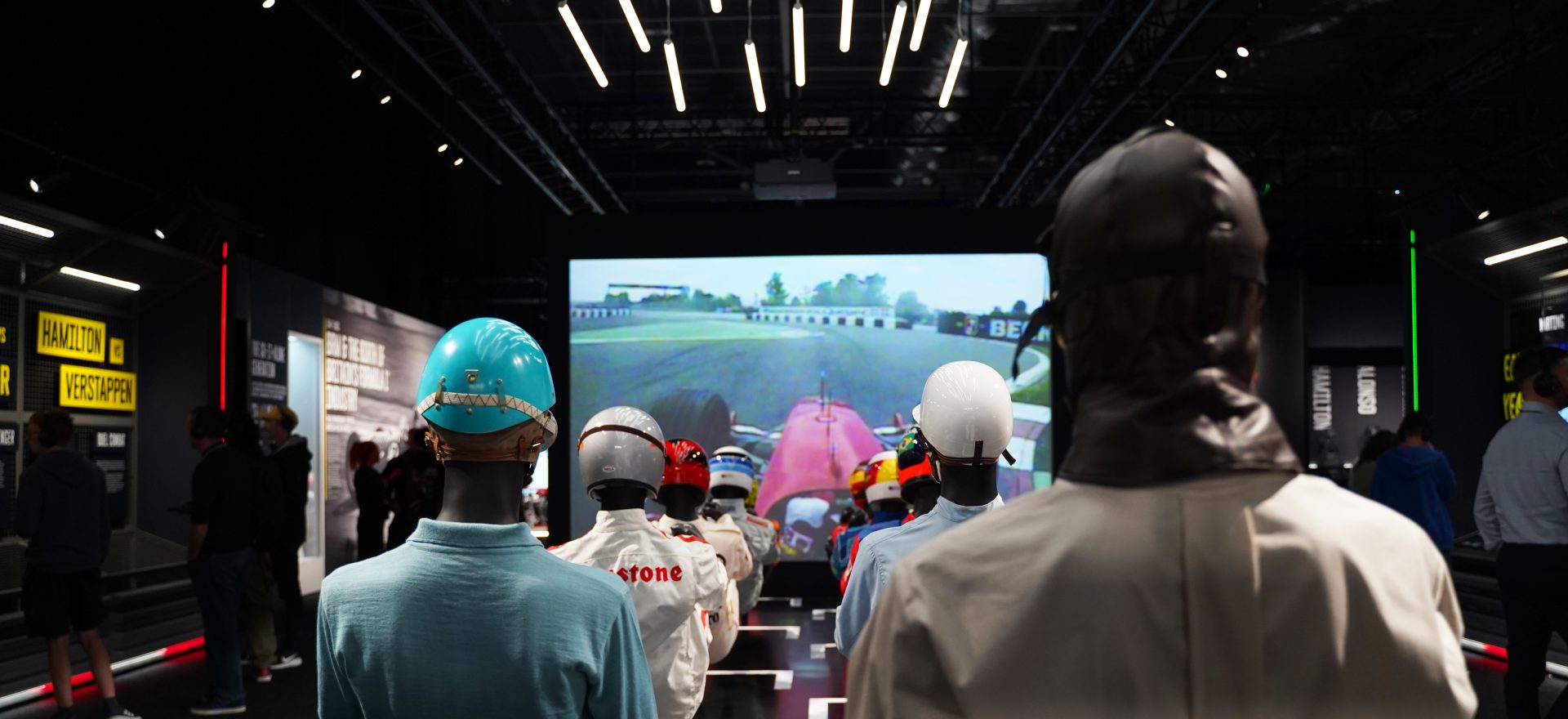
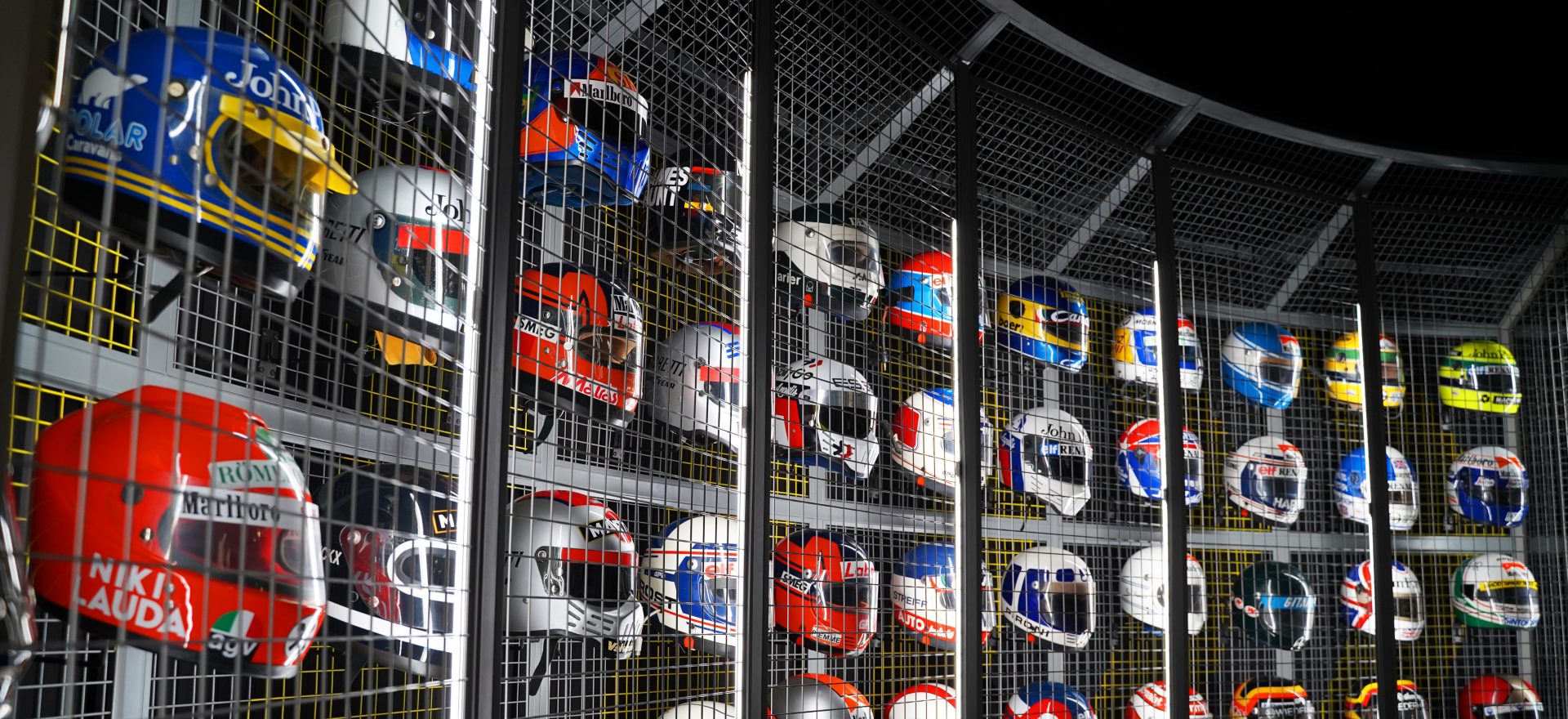
The resulting show control architecture established a benchmark for high-capacity touring environments. Deployed across cities including Madrid, Vienna, Toronto, London and Munich, the scalable systems maintained flawless frame-accurate synchronisation. The infrastructure proved its total structural reliability under immense pressure during the flagship run at ExCeL London. The technical framework supported an unprecedented 340,000 ticket sales across a 192-day run, setting global visitor attendance records and securing the Best Visitor Experience accolade at the Access All Areas Awards. The simulator integration delivered immediate commercial value, managing hundreds of daily drivers who competed on live tracking arrays for a chance to win F1 race tickets, such as the British Grand Prix at Silverstone.